
Tag: CMA
-

The Vodafone/Three merger: the CMA seems inclined towards a gruelling remedy, but it’s not yet a done deal
The CMA never clears a merger on the basis of behavioural remedies. Such remedies do not deal with the source of the competition problem, they are susceptible to circumvention, they distort markets, and they are difficult to monitor. Everyone knows that. The CMA was so wedded to this principle that it was willing to die…
-

Vodafone/Three switcheroo: would the introduction of a different fourth player get the merger through?
If Vodafone and Three merge, it will be the first time that the UK telecoms market would have less than four network operators since Orange and One2One entered the market in the early 1990s. The CMA would nowadays be expected to block 4-to-3 mergers, especially where there is little chance of a new market entrant,…
-

The UK’s digital markets regime is now law: 10 talking points
The Digital Markets, Competition and Consumers (“DMCC”) Act is finally now law in the UK. The King signed his assent today (although his views on conflicts of interest in the ad tech stack are still unknown). The legislation was passed in the “wash-up” process on the final day of this Parliament and the country is…
-

Vodafone/Three: a standalone decision or a potential reversal of spectrum policy?
Spectrum is all around us. These invisible waves are essential for devices that communicate wirelessly. Whether using a mobile phone to make a phone call, send a text message or browse the web, the device will use spectrum to connect to a local mast and carry out your connection command. Only a finite amount of…
-

Vodafone/Three: UK telecoms consolidation will be given a rough ride through the merger control process
The UK’s mobile sector is highly competitive. Ofcom, the telecoms regulator, has spent the last few decades carefully designing spectrum auctions and other measures to foster fierce competition among the four mobile network operators. I’m currently paying £10 ($12.70) per month for unlimited 5G data on the best network for coverage. When I was at…
-
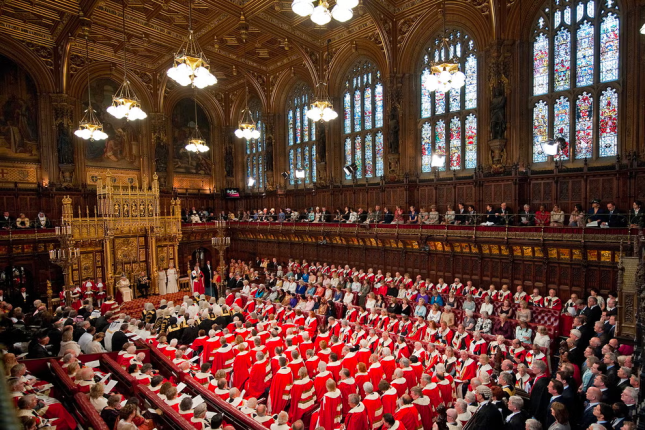
UK digital markets regime: The Lords have their say
For those of you that have been monitoring the Digital Markets, Competition and Consumers (DMCC) Bill’s journey through Parliament, fear not. The end is in sight. Last November, my colleague Tom Smith wrote about the changes to the Bill as it was leaving the House of Commons. Since then, the Bill has received its first…
-
Back in the game: Court of Appeal sides with CMA against Apple in mobile browsers and cloud gaming market investigation
Yesterday, the CMA successfully overturned the Competition Appeal Tribunal’s (CAT) ruling that the CMA’s market investigation reference (MIR) into mobile browsers and cloud gaming was out of time and therefore unlawful. This opens the door to the CMA reopening the MIR which could lead to significant remedies being imposed against Apple. Background The CMA’s MIR…
-

UK digital markets regime under attack, but still on course
The Digital Markets, Competition and Consumers Bill is now in the Report Stage in Parliament before it heads to the second chamber, the House of Lords. Trawling through the 87 pages of proposed amendments this week, I was tempted to reach for a hackneyed Winston Churchill quote: “Many forms of Government have been tried, and…
-

Platform divergence and geographic divergence after Microsoft/Activision and Apple v CMA
In January 2022, we first reported on the CMA’s concerns that Apple had been blocking cloud gaming apps on the App Store (Google does allow those apps on Play Store but does not allow in-app purchases to be completed within cloud gaming apps). The CMA referred this issue to a full market investigation on 22…
-

In defence of judicial review: The established UK appeal standard is the best approach for a dynamic digital economy
As readers of this blog will know, the UK’s Digital Markets, Competition and Consumers (“DMCC”) Bill seeks to create a brand-new ex ante regulatory framework for firms with ‘strategic market status’ (“SMS”), defined as firms that hold substantial and entrenched market power in a digital activity, that provides them with a position of strategic significance.…