
Author: Konstantina Bania
-

Who Guards the Gatekeepers? Media Pluralism in the Platform Era
By Dr. Konstantina Bania and Ana-Caterina Ciusca Who Guards the Gatekeepers? Media Pluralism in the Platform Era Who decides which news reaches you? Increasingly, the answer is not just newspaper owners or broadcasters, but the platforms that host, rank and recommend content to billions of users. That raises an old question in a new form:…
-

No Data, No Party: Why Competition for High‑Quality Journalism Matters in the GenAI Race
If you follow debates about generative AI, you will have heard a lot about compute and talent. Cloud infrastructure, GPU clusters, and elite machine‑learning teams have become the standard shorthand for what really matters in the AI arms race. What is missing from that conversation is the third leg of the stool: data – and in particular, high‑quality, human‑generated content…
-
From Brussels Template to UK Tailoring: How the DMCCA Is (Re)writing the Rules for Big Tech
By Dr. Konstantina Bania The UK has built a “rival” to the EU’s Digital Markets Act – and it is now starting to use it. Under the Digital Markets, Competition and Consumers Act (DMCCA), the Competition and Markets Authority (CMA) is moving from abstract principles to concrete, platform‑specific rules for some of the most powerful…
-
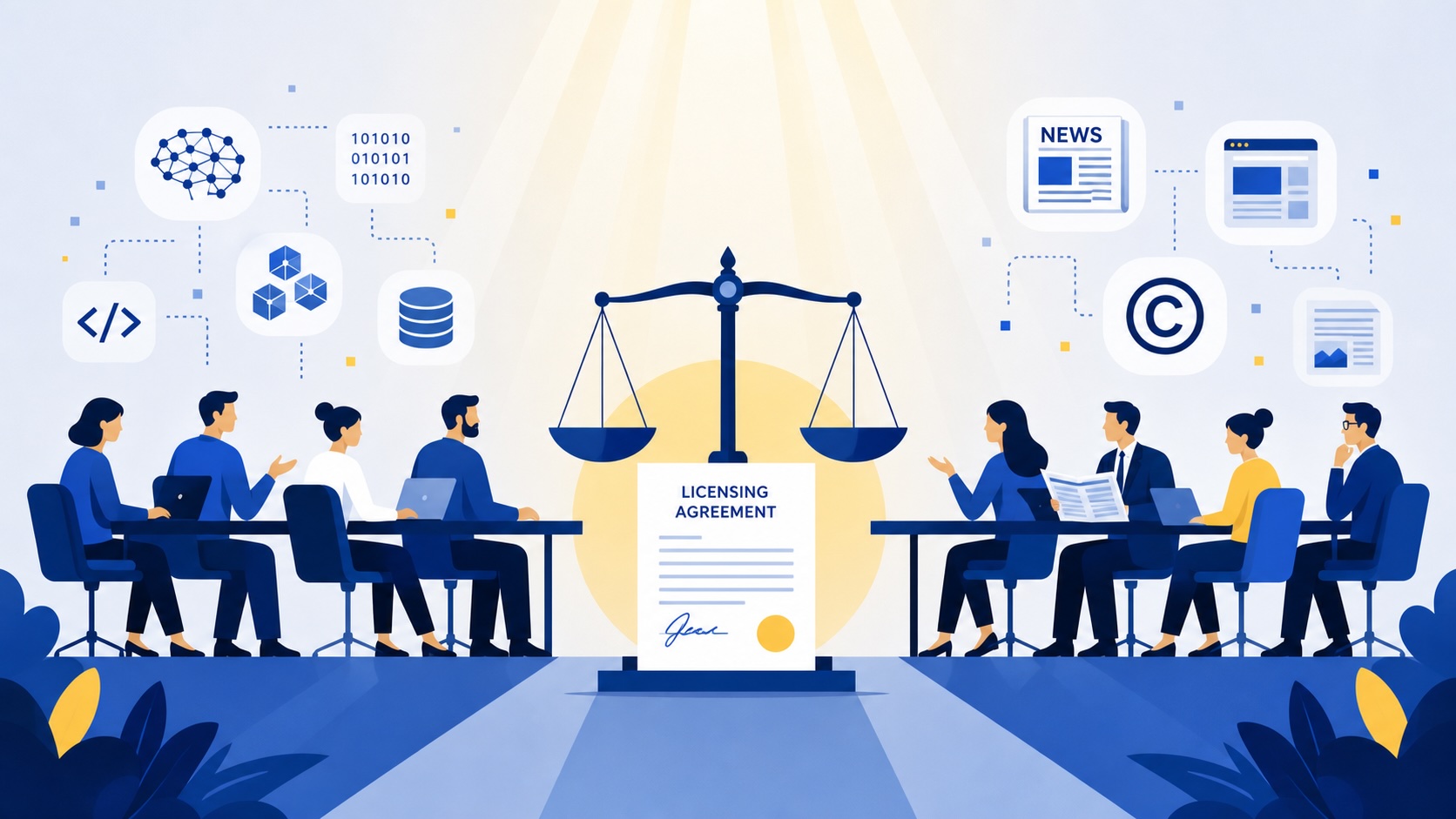
Meta v AGCOM: the Court endorses “regulated contractual freedom” between platforms and press
By Dr. Konstantina Bania With its Grand Chamber judgment in Meta Platforms Ireland v AGCOM (C‑797/23), the Court of Justice of the EU has handed down a major ruling on Article 15 of the DSM Copyright Directive. Beneath the technicalities lies a clear policy signal: the Court is willing to let Member States wrap the press publishers’…
-

Making the DMA Bite: What Two Years of Enforcement Teaches Us About the Future of Digital Regulation
By Dr. Konstantina Bania and Philine Wassenaar A deep dive into the European Commission’s first wave of Digital Markets Act enforcement, ongoing investigations, and what the 2026 review tells us about regulating Big Tech in the age of AI The promise and the reality Two years ago, the EU launched one of its most ambitious…
-
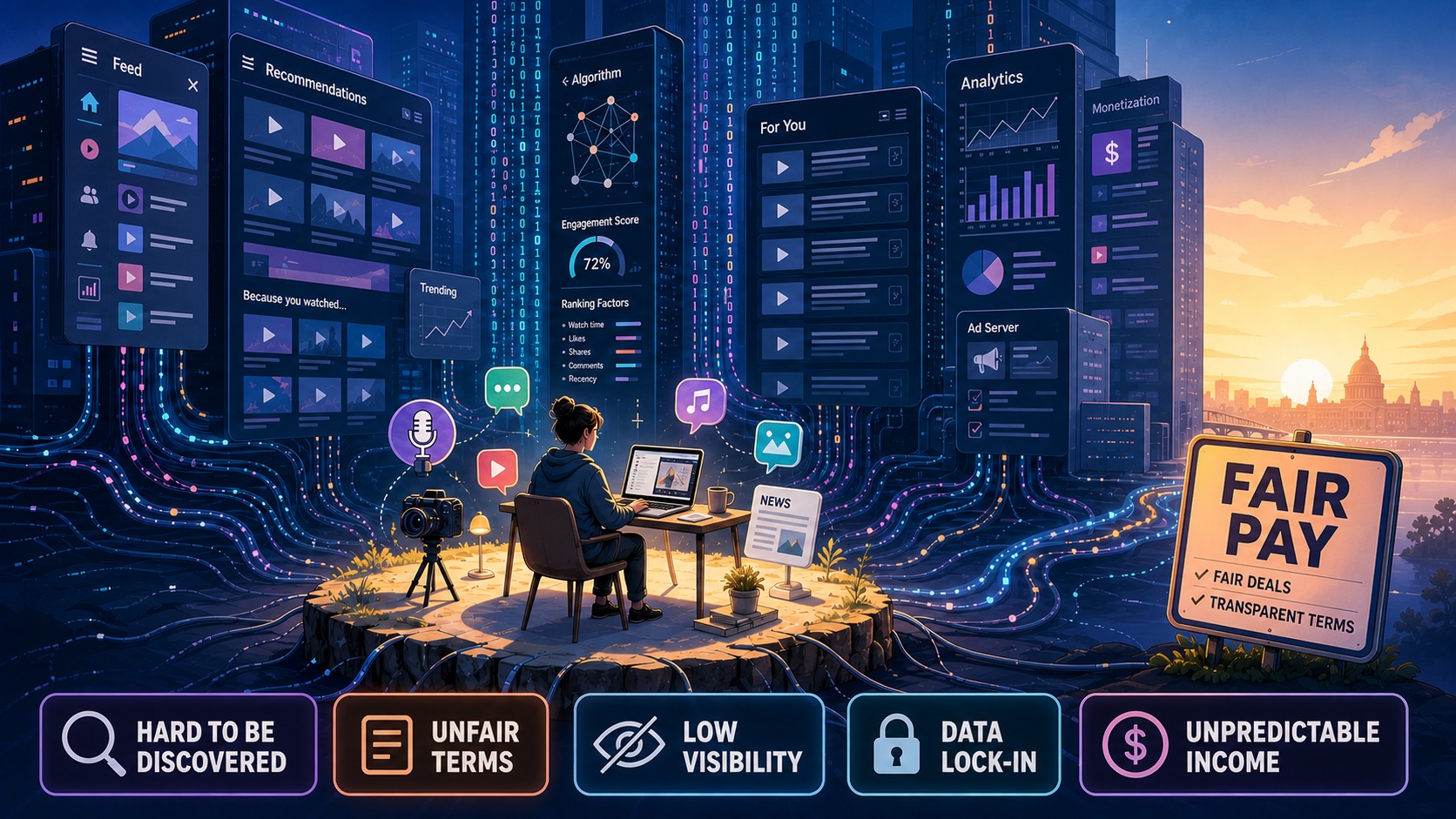
From Dependency to Fairness: Legal Pathways for Content Creators in Platform Markets
Over the past decade, a striking paradox has emerged in digital content markets. On the one hand, we have an unprecedented explosion of creativity; independent journalists, podcasters, musicians, game developers and influencers can, in principle, reach global audiences from a laptop. On the other hand, a shrinking number of platforms increasingly determine which content is…
-

When Courts Meet Code: Judicial review of competition and DMA decisions
By Dr. Konstantina Bania By the time a digital‑markets case reaches a court room, a paradoxical situation has arisen: the business model in the file is obsolete, the market definition section reads like historical fiction, and the junior in chambers is already using the platform that judges were told “doesn’t really exist”. That mismatch between…
-
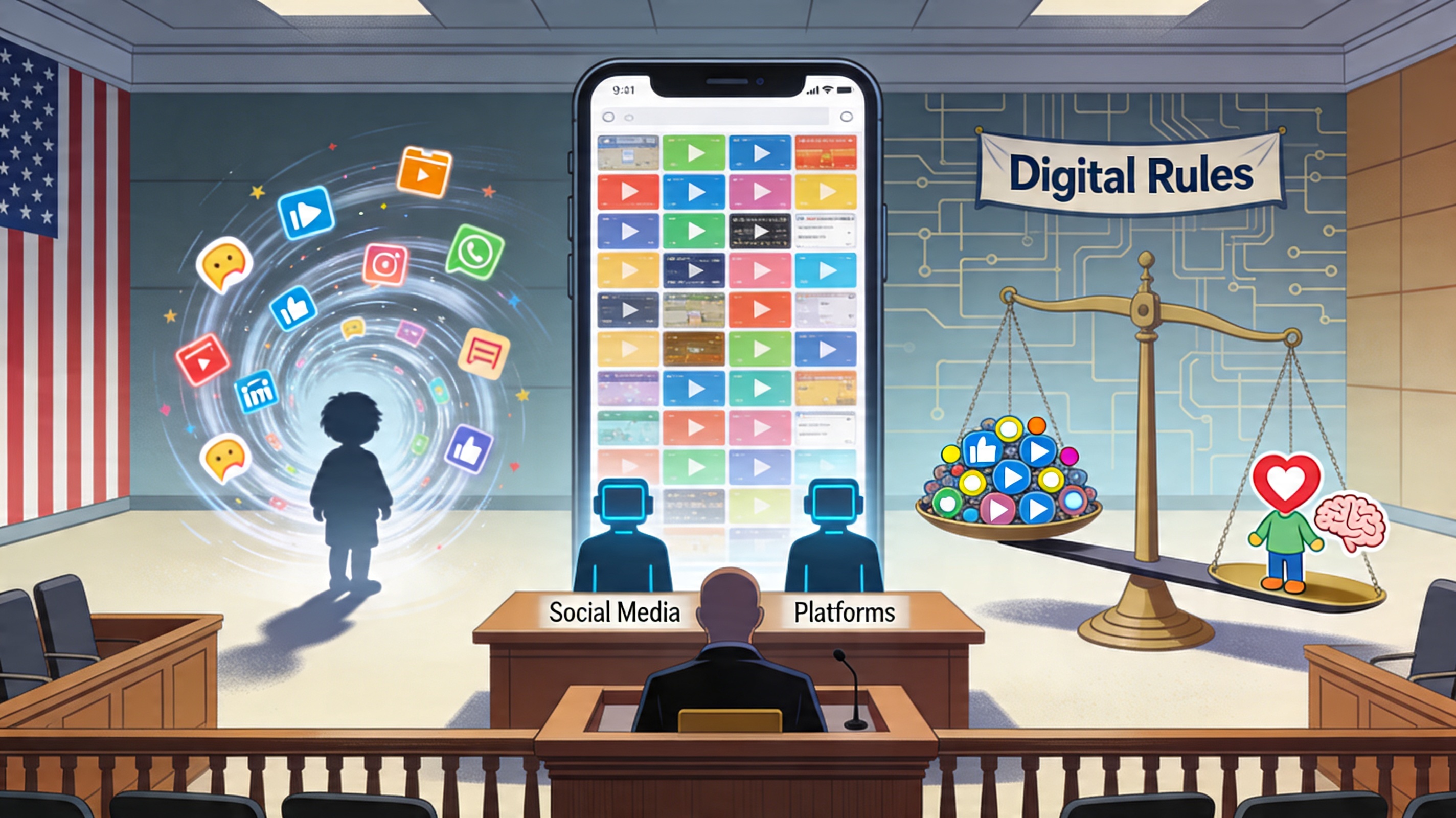
A jury is rewriting the platform accountability playbook in the US
By Dr. Konstantina Bania A California jury has done something US courts have long refused to do: hold Meta and YouTube legally responsible not for what users post, but for how their platforms are designed to keep children hooked. By finding defective design and negligence and bypassing the traditional safe harbour of Section 230, the…
-
The Amazon DSA Designation Appeal: the General Court Rejects Amazon’s Broad Fundamental-Rights Challenge
The last few months have seen a series of Digital Services Act (DSA) judgments by the General Court (GC) of the European Union, the first three of which were examined in an earlier blog post. The latest in this series of judgments, handed down on 19 November 2025, is Amazon EU v Commission (Case T-367/23),…
-
DMA Enforcement and National Competition Authorities
The Digital Markets Act (DMA) establishes a centralised enforcement model whereby the European Commission “is the sole authority empowered to enforce [the DMA]” (see recital 91). National authorities are the Commission’s enforcement partners. This is explicitly stated in Article 37 of the DMA, which states that the Commission and the Member States shall “work in…